
Electric vehicles (EVs) have transformed the automotive industry by offering cleaner transportation, lower operating costs, and reduced dependence on fossil fuels. However, like any technology, EVs can experience issues from time to time. One of the most frustrating situations for owners is encountering electric car charging problems.
Whether your EV won’t charge, charges slowly, stops charging unexpectedly, or displays charging errors, understanding the potential causes can help you identify and resolve the issue quickly.
In this guide, we’ll explore the most common electric car charging problems, their causes, troubleshooting steps, and when professional assistance may be necessary.
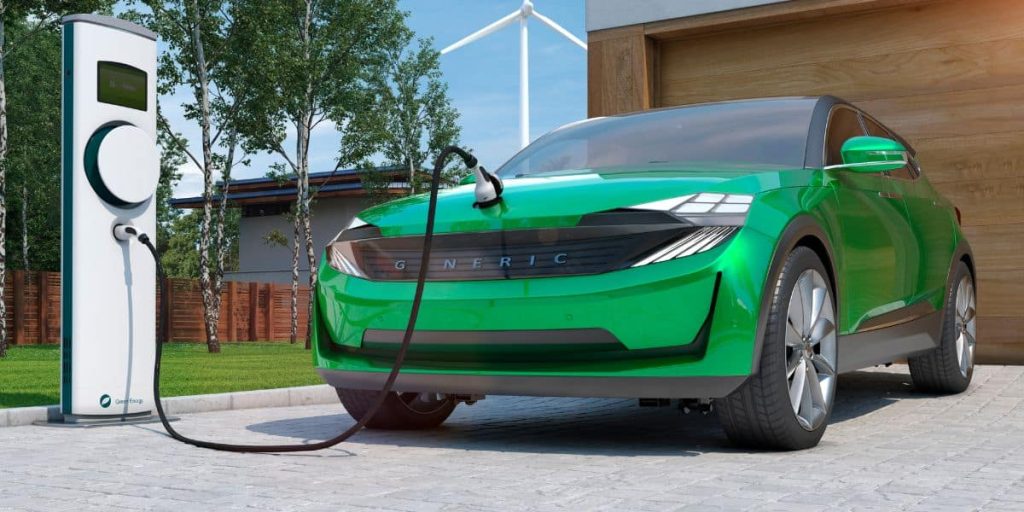
Why Is My Electric Car Not Charging?
An electric car may fail to charge for many different reasons. The issue could originate from the charging station, charging cable, vehicle battery system, software, power supply, or environmental conditions.
Modern EV charging systems are designed with multiple safety features that can interrupt charging when a fault is detected. While this protects the vehicle and charging equipment, it can also make diagnosing charging issues more challenging.
The key is identifying where the problem originates: the charger, the power source, or the car itself.
Common Electric Car Charging Problems
Electric car owners frequently encounter several types of charging issues, including:
- Car not charging at all
- Charging starts then stops
- Slow charging speeds
- Charger repeatedly disconnecting
- Charging cable not recognized
- Charging port problems
- Charging station communication errors
- Battery charging limitations
- Circuit breaker trips
- Charging fault warnings
Understanding these symptoms can help narrow down the root cause.
1. Faulty Charging Cable
A damaged charging cable is one of the most common causes of EV charging problems.
Charging cables are exposed to regular handling, weather conditions, and physical stress. Over time, internal wires, connectors, or protective insulation can become damaged.
Signs of a faulty charging cable include:
- Charging fails to start
- Intermittent charging
- Visible cable damage
- Charging error messages
- Overheating connectors
Inspect the entire cable for cuts, cracks, bent pins, or other signs of wear. If damage is present, replacement is usually the safest solution.
2. Charging Station Problems
Sometimes the problem isn’t the vehicle at all—it’s the charging station.
Public charging stations can experience:
- Software errors
- Network communication failures
- Power supply interruptions
- Hardware malfunctions
- Connector damage
If your vehicle won’t charge at one station, try another charger if possible. If charging works elsewhere, the original charging station is likely the source of the issue.
For home charging systems, verify that the charger has power and that indicator lights show normal operation.
3. Tripped Circuit Breakers
Home charging systems draw significant electrical power, especially Level 2 chargers.
A tripped circuit breaker can interrupt power to the charger, preventing charging from starting.
Possible causes include:
- Electrical overload
- Faulty breaker
- Improper charger installation
- Ground faults
- Wiring issues
Check your home’s electrical panel for any tripped breakers associated with the charging circuit.
If breakers repeatedly trip, a qualified electrician should inspect the system.
4. Charging Port Problems
The charging port serves as the connection point between the vehicle and charger.
Dirt, corrosion, moisture, or physical damage can interfere with communication between the charger and vehicle.
Symptoms may include:
- Charger won’t connect
- Charging starts and stops
- Charging port warning messages
- Intermittent charging failures
Carefully inspect the charging port for debris, damaged pins, or moisture accumulation.
Keeping the charging port clean helps prevent many connection-related issues.
5. Battery Temperature Issues
Electric vehicle batteries operate most efficiently within a specific temperature range.
When battery temperatures become extremely hot or cold, the vehicle’s battery management system may reduce charging speed or temporarily prevent charging altogether.
Cold weather can cause:
- Slow charging
- Delayed charging initiation
- Reduced charging efficiency
Hot weather may trigger:
- Charging rate limitations
- Temporary charging pauses
- Battery cooling system activation
Many EVs automatically manage battery temperature, but environmental conditions can still affect charging performance.
6. Software Glitches
Modern electric vehicles rely heavily on software to manage charging operations.
Occasionally, software bugs or communication errors can interfere with charging functionality.
Potential symptoms include:
- Charging schedule malfunctions
- Charging interruptions
- Error messages
- Failure to recognize chargers
In some cases, simply restarting the vehicle or updating its software can resolve the problem.
Manufacturers regularly release software updates that improve charging reliability and performance.
7. Vehicle Battery Management System Faults
The Battery Management System (BMS) monitors battery health, temperature, voltage, and charging conditions.
If the BMS detects a potential issue, it may stop or limit charging to protect the battery.
Possible triggers include:
- Voltage irregularities
- Battery cell imbalances
- Temperature concerns
- Internal battery faults
Because the BMS is a critical safety system, any related warning messages should be evaluated promptly.
8. Charging Connector Communication Errors
Before charging begins, the charger and vehicle must communicate successfully.
This “handshake” process verifies:
- Charger compatibility
- Power requirements
- Safety conditions
- Charging authorization
Communication failures may prevent charging from starting.
Common causes include:
- Damaged connectors
- Software issues
- Charger faults
- Charging network problems
Disconnecting and reconnecting the charger sometimes resolves temporary communication errors.
9. Scheduled Charging Settings
Many EV owners use scheduled charging to take advantage of lower electricity rates during off-peak hours.
Occasionally, charging may appear to be malfunctioning when the vehicle is simply waiting for a scheduled charging window.
Check:
- Charging schedules
- Timer settings
- Mobile app settings
- Vehicle charging preferences
Disabling charging schedules temporarily can help determine whether scheduling is causing the issue.
10. Ground Fault Detection
EV chargers include built-in safety systems that monitor for electrical faults.
If a ground fault is detected, charging may stop immediately.
Possible causes include:
- Damaged wiring
- Moisture intrusion
- Electrical leakage
- Charger malfunction
Ground fault interruptions should never be ignored because they are designed to prevent electrical hazards.
Why Is My Electric Car Charging Slowly?
Slow charging is one of the most common EV owner complaints. Several factors can reduce charging speed:
Battery Temperature: Cold batteries charge more slowly to prevent damage.
Charger Type: Level 1 chargers are significantly slower than Level 2 and DC fast chargers.
Battery State of Charge: Charging naturally slows as the battery approaches full capacity.
Charging Station Limitations: Some charging stations provide less power than others.
Vehicle Charging Limits: The vehicle itself may limit charging speed based on battery conditions and manufacturer settings.
Understanding these factors can help set realistic expectations for charging times.
Why Does My Electric Car Stop Charging Before Full?
An EV may stop charging before reaching 100% for several reasons.
Common causes include:
- Charging schedules
- Battery protection settings
- Charging station interruptions
- Power outages
- Software faults
- Battery temperature management
Many EVs also allow owners to set charging limits, such as stopping at 80% or 90% to help preserve long-term battery health.
Check your charging settings before assuming there is a malfunction.
Why Does My EV Charger Keep Tripping the Breaker?
Frequent breaker trips often indicate an electrical problem.
Potential causes include:
- Undersized electrical circuits
- Faulty charger
- Damaged wiring
- Overloaded electrical panel
- Ground faults
Because charging systems operate at high power levels, recurring breaker trips should be evaluated by a qualified electrician. Ignoring electrical faults can create safety risks.
Read more: Electric car charger keeps tripping (Here’s why)
Can Weather Affect EV Charging?
Yes. Both hot and cold temperatures can impact charging performance.
Cold Weather Effects:
- Slower charging speeds
- Reduced battery efficiency
- Longer charging times
Hot Weather Effects:
- Charging rate limitations
- Battery cooling system activation
- Temporary charging pauses
Most modern EVs automatically manage battery temperature, but extreme conditions can still affect charging behavior.
Is It Safe to Charge an Electric Car in the Rain?
Yes, electric vehicles are designed to charge safely in wet conditions.
Charging connectors and ports include protective features that prevent electrical hazards during normal use.
However, charging should be avoided if:
- Charging equipment is visibly damaged
- Water has entered the charging port
- The charger has exposed wiring
- Flooding conditions exist
Always follow manufacturer recommendations regarding charging safety.
How to Troubleshoot Electric Car Charging Problems
If your EV is experiencing charging issues, try these basic troubleshooting steps:
- Verify the charger has power.
- Inspect the charging cable for damage.
- Check the charging port for debris or moisture.
- Restart the vehicle.
- Try a different charging station.
- Review charging schedules and settings.
- Check for software updates.
- Look for warning lights or error messages.
- Reset the charging equipment if applicable.
- Consult the vehicle owner’s manual.
These simple steps can often resolve minor charging issues without professional repairs.
When to Contact a Professional
Professional diagnosis is recommended if:
- The vehicle consistently fails to charge
- Charging errors persist
- Warning lights remain illuminated
- Breakers repeatedly trip
- Charging equipment overheats
- Battery-related fault codes appear
Because EV charging systems involve high-voltage components, repairs should be performed by qualified technicians.
Key Takeaway
Electric car charging problems can range from simple issues such as damaged charging cables or incorrect charging settings to more complex faults involving the battery management system, charging station, or electrical infrastructure.
While some charging interruptions are normal safety responses, persistent charging problems should be investigated promptly.
Regular inspections, software updates, proper charging equipment maintenance, and attention to warning messages can help ensure reliable charging performance.
By understanding the most common causes of EV charging issues, owners can troubleshoot problems more effectively and keep their vehicles ready for the road.