
Electric vehicles (EVs) are designed to make charging simple, safe, and convenient. However, some EV owners encounter a frustrating situation where the charging connector becomes stuck and won’t disconnect from the vehicle. If you’re wondering, “Why is my electric car charger not disconnecting?” you’re not alone.
A charger that won’t release can be caused by something as simple as a locked car or as complex as a malfunctioning charging port lock mechanism. Understanding the possible causes can help you safely disconnect the charger and determine whether professional repairs are needed.
In this guide, we’ll explain why an electric car charger may not disconnect, common symptoms, troubleshooting steps, and ways to prevent the problem in the future.
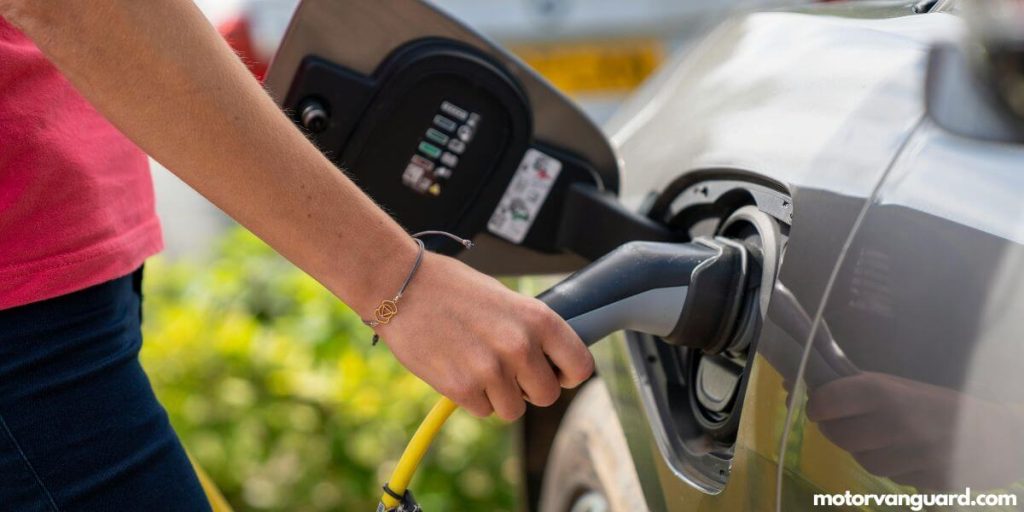
Why Won’t My Electric Car Charger Disconnect?
Most electric vehicles include safety systems that physically lock the charging connector into the charging port during charging. This prevents accidental disconnection, theft, and electrical hazards while power is flowing between the charger and vehicle.
Normally, once charging is complete or stopped, the locking mechanism releases the connector so it can be removed.
If the charger remains stuck, the cause usually falls into one of several categories:
- Vehicle locking system issues
- Charging port lock malfunction
- Software glitches
- Charging session not fully ended
- Mechanical obstruction
- Frozen charging components
- Faulty charging equipment
- Electrical communication errors
The exact cause often depends on the car model and charging equipment being used.
Related: Why does my electric car charger keep tripping? (Here’s why)
How EV Charging Connector Locks Work
Before understanding why a charger gets stuck, it helps to know how charging locks operate.
Many electric vehicles use an electronic locking pin that engages when charging begins. The lock remains active until:
- Charging is completed
- The charging session is manually stopped
- The vehicle is unlocked
- The charging system receives a disconnect command
This locking mechanism helps prevent accidental unplugging while current is flowing.
If any part of this process fails, the charging connector may remain locked in place.
Common Signs of a Charger That Won’t Disconnect
Symptoms often include:
- Charging cable stuck in the vehicle
- Release button not working
- Charging session appears complete but connector remains locked
- Vehicle displays charging lock errors
- Charging port refuses to release
- Audible clicking without connector release
- Charging app shows session ended but cable remains attached
These symptoms can help identify the underlying issue.
1. The Car Is Still Locked
One of the most common reasons an EV charger won’t disconnect is that the car remains locked. Many electric vehicles automatically lock the charging connector whenever the car itself is locked.
If the connector won’t release:
- Unlock the car.
- Wait several seconds.
- Attempt to remove the charging connector again.
In many cases, this simple step immediately resolves the issue.
Different manufacturers implement charging lock behavior differently, so consult your owner’s manual if necessary.
2. Charging Session Has Not Fully Ended
The charging connector may remain locked if the vehicle believes charging is still active.
This can occur when:
- Charging is still in progress
- The charging station hasn’t ended the session
- A charging app remains connected
- The charger is waiting for authorization
For public chargers, ensure the charging session has been properly terminated through the charger interface, RFID card, or mobile app.
Once the session ends, the charging lock usually releases automatically.
3. Charging Port Lock Mechanism Failure
Many EVs use a small motorized locking pin inside the charging port.
Over time, the locking mechanism may fail due to:
- Wear and tear
- Dirt accumulation
- Corrosion
- Mechanical damage
- Electrical faults
A failed locking actuator may leave the connector trapped even after charging stops.
Signs of lock mechanism problems include:
- Repeated clicking sounds
- Intermittent lock operation
- Connector occasionally sticking
- Charging port fault messages
Mechanical lock failures typically require inspection and repair by a qualified technician.
4. Software Glitches
Modern EV charging systems rely heavily on software communication.
Occasionally, a software error can prevent the charging lock from receiving the command to release.
Possible symptoms include:
- Random charging lock behavior
- Connector remains locked despite completed charging
- Charging system error messages
- Vehicle requiring reboot
Some owners find success by:
- Locking and unlocking the vehicle
- Restarting the infotainment system
- Rebooting the vehicle
- Performing available software updates
Manufacturers frequently release updates that address charging-related bugs.
5. Frozen Charging Port Components
Cold weather is another common cause of stuck charging connectors.
Ice can form around:
- Charging port doors
- Connector pins
- Locking mechanisms
- Release buttons
When moisture freezes inside the locking system, the connector may remain physically trapped.
Signs of freezing include:
- Charging connector stuck during winter
- Visible frost around the charging port
- Lock release sounds without actual release
Never force a frozen connector. Instead:
- Warm the charging area gradually
- Move the vehicle into a warmer environment if possible
- Use manufacturer-approved de-icing methods
Forcing removal may damage the charging equipment.
6. Dirt, Debris, or Corrosion
Charging ports are exposed to the environment and can accumulate dirt over time.
Common contaminants include:
- Dust
- Sand
- Mud
- Road salt
- Corrosion deposits
These materials can interfere with connector movement and locking mechanisms.
A dirty charging port may cause:
- Difficulty inserting the charger
- Difficulty removing the charger
- Incomplete charging connections
- Intermittent lock problems
Regular inspection and cleaning help prevent buildup-related issues.
7. Faulty Charging Connector Release Button
Some charging connectors include a manual release button.
If this button becomes damaged, worn, or stuck, it may fail to trigger the release mechanism.
Possible causes include:
- Internal spring failure
- Mechanical wear
- Physical damage
- Dirt contamination
If the release button feels unusually loose, stiff, or unresponsive, the connector itself may need repair or replacement.
8. Charging Station Malfunctions
The charging station can sometimes be responsible for connector release problems.
Potential charger-related issues include:
- Software faults
- Communication failures
- Connector lock errors
- Power interruptions
Public charging stations may occasionally fail to complete the disconnect sequence properly.
If possible:
- Follow station instructions for ending the session
- Contact the charging network operator
- Restart the charging session if recommended
Many charging networks provide customer support for stuck connector situations.
9. Electrical Communication Errors
Before disconnecting, the charger and vehicle exchange information to verify that charging has stopped safely.
Communication errors can interrupt this process.
Causes may include:
- Software bugs
- Faulty charging equipment
- Vehicle control module issues
- Damaged connectors
If communication fails, the vehicle may keep the charging lock engaged as a safety precaution.
Diagnostic scanning may be necessary to identify persistent communication faults.
10. Charging Port Actuator Failure
Some EVs use dedicated actuators to control charging port locking and unlocking.
A failed actuator may:
- Stop responding entirely
- Become stuck in the locked position
- Operate intermittently
Symptoms often include:
- Audible motor noises
- Connector remaining locked
- Charging port error messages
Actuator replacement is usually a dealership or specialist repair.
How to Safely Disconnect a Stuck EV Charger
If your charger won’t disconnect, follow these steps:
Step 1: Unlock the Vehicle
Many charging locks release automatically when the vehicle is unlocked.
Step 2: End the Charging Session
Ensure charging has fully stopped through:
- Vehicle controls
- Charging station controls
- Mobile apps
Step 3: Wait a Few Seconds
Some systems require several seconds before releasing the lock.
Step 4: Try Again
Press the connector release button and gently remove the connector.
Step 5: Consult the Owner’s Manual
Many vehicles include emergency charging connector release procedures.
Step 6: Use the Emergency Release (If Equipped)
Some EVs have a manual emergency release cable inside the trunk or near the charging port.
Follow manufacturer instructions carefully.
Step 7: Contact Professional Assistance
If the connector remains stuck, seek help rather than forcing removal.
Should You Force a Stuck Charging Connector?
No. Forcing the connector out can damage:
- Charging pins
- Charging port components
- Locking mechanisms
- Electrical contacts
Damage to high-voltage charging systems can result in expensive repairs and potential safety risks.
Always use recommended troubleshooting methods before attempting removal.
Can a Stuck Charger Damage My Electric Car?
Usually, the charger itself does not damage the vehicle simply by remaining connected.
However, repeated connector sticking may indicate:
- Charging port wear
- Lock mechanism problems
- Electrical communication faults
Ignoring recurring issues can eventually lead to charging failures and more extensive repairs.
Professional Diagnosis of Charging Lock Problems
Professional diagnosis may include:
- Scanning vehicle fault codes
- Testing charging port lock operation
- Inspecting charging connectors
- Evaluating charging control modules
- Checking actuator function
- Testing software communication systems
- Inspecting for corrosion or mechanical damage
Accurate diagnosis ensures the correct component is repaired or replaced.
How to Prevent EV Charger Disconnect Problems
You can reduce the likelihood of charging connector issues by:
- Keeping the charging port clean
- Protecting charging equipment from damage
- Performing software updates
- Avoiding excessive force during charging connection
- Inspecting connectors regularly
- Using manufacturer-approved charging equipment
- Protecting the charging port from snow and ice
Routine maintenance helps ensure reliable charging operation.
Key Takeaway
If you’re asking, “Why is my electric car charger not disconnecting?” the most common causes include vehicle locking settings, incomplete charging sessions, charging port lock failures, software glitches, frozen components, and charging equipment faults.
Fortunately, many cases can be resolved by unlocking the vehicle, properly ending the charging session, or following manufacturer-recommended troubleshooting procedures.
Because EV charging systems contain important safety features, a connector that remains locked is often protecting the vehicle from an unsafe disconnect.
If the problem becomes frequent or the charger consistently refuses to release, professional diagnosis is recommended to prevent damage and ensure reliable charging performance.