
You’re ready to plug in your EV after a long day, only to find that your electric car charger keeps tripping the breaker—again. It’s one of the most common frustrations among electric vehicle owners.
But what causes this problem, and more importantly, how can you fix it for good?
In this comprehensive guide, I’ll outline why your EV charger keeps tripping the circuit breaker or GFCI, the dangers of ignoring the issue, and how to solve it effectively.
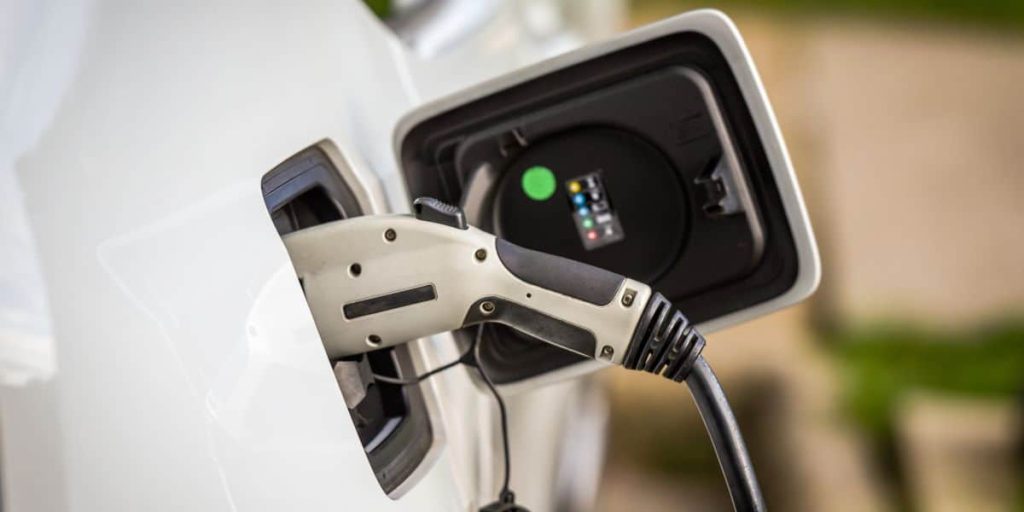
Here’s why your electric car charger keeps tripping
1. Overloaded Circuit – The Most Frequent Culprit
Overloaded circuits are the leading cause of EV chargers tripping breakers. Your home electrical system has a limit to how much power it can handle at once.
If your EV charger is competing with other high-consumption appliances—like dryers, ovens, HVAC systems, or water heaters—it can easily cause the breaker to trip.
This happens because:
- A Level 2 charger, which runs on 240 volts, typically pulls 30–50 amps of current. That’s a significant load.
- If your electrical panel is undersized or the charger shares a circuit with other appliances, it will exceed the safe threshold.
Solution:
- Hire an electrician to install a dedicated circuit for your EV charger.
- Upgrade your main service panel if it’s underpowered (e.g., 100A service panels may not be sufficient).
- Avoid running other major appliances while charging your EV.
Related: Why is my electric car not charging fully? (Explained)
2. Ground Faults or Leakage Currents
If your EV charger keeps tripping the GFCI (Ground Fault Circuit Interrupter), this could point to a leakage of current to ground, which is a serious safety issue.
This happens because:
- Water or moisture in the charger or cable.
- Damaged insulation or exposed wiring.
- In-built GFCI in EV chargers being hypersensitive to minor fluctuations.
- Some vehicles naturally create low-level leakage currents, which GFCIs detect as faults.
Solution:
- Check that your EV charger is installed in a dry and sheltered location.
- Inspect cables for signs of wear or damage.
- Have your electrician test for actual ground faults using a megohmmeter or insulation tester.
- Replace the GFCI breaker if it’s faulty or install one with a higher leakage tolerance.
Read more: Electric car charger problems (Causes and solutions)
3. Undersized or Incorrect Wiring
Your wiring is like the veins of your home’s electrical system. If they’re not properly sized, they can’t safely carry the load of an EV charger—leading to frequent trips or even fire hazards.
Why it happens:
- Level 2 chargers require heavy-duty wiring (typically 6-gauge or thicker).
- If thinner wires (e.g., 10-gauge) are used, they overheat, triggering the breaker.
- DIY installations or non-specialist electricians may cut corners.
Solution:
- Verify the wire gauge matches your charger’s amperage rating (e.g., 40A charger = 8-gauge minimum, but 6-gauge preferred).
- Upgrade wiring to meet NEC standards.
- Use copper wiring for better conductivity over aluminum.
Related: Why do electric cars not charge themselves?
4. Faulty EV Charger Hardware
Sometimes the EV charger unit itself is at fault. Chargers have internal circuits, safety sensors, and software that can malfunction and cause breaker tripping while charging your EV.
Why it happens:
- Defective components or manufacturer flaws.
- Firmware bugs in smart chargers causing unexpected load spikes.
- Internal short circuits.
Solution:
- Try charging your car at a public station to see if the issue is with the charger or the vehicle.
- Check for firmware updates from the charger manufacturer (e.g., JuiceBox, ChargePoint, Wallbox).
- Contact the manufacturer or reseller to inquire about replacements under warranty.
5. Environmental Factors – Moisture, Heat, and Weather
Outdoor EV charging setups are vulnerable to the elements. If your EV charger trips during rain or in hot weather, the environment may be to blame.
Why it happens:
- Moisture enters the plug, socket, or wiring, creating short circuits.
- High ambient heat triggers thermal overload protection in the charger or breaker.
- Dirt, snow, and salt can degrade the connector contacts.
Solution:
- Install the charger in a NEMA-rated waterproof enclosure.
- Use chargers that are UL-listed and rated for outdoor use (IP66 or higher).
- Clean the charging port regularly and inspect for corrosion.
- In cold climates, avoid using extension cords or makeshift covers that trap moisture.
6. Breaker Issues or Aging Electrical Panels
Sometimes the problem isn’t the charger—it’s the breaker itself or an outdated electrical panel.
Why it happens:
- Older breakers become sensitive over time and trip more easily.
- Breakers not rated for continuous high-current loads (like EV charging) will trip even under normal use.
- Corrosion, loose connections, or weak contacts in your electrical panel.
Solution:
- Upgrade to a new breaker rated for EV charging, typically a 40A or 50A double-pole breaker.
- Ask your electrician to inspect and possibly replace an old or undersized electrical panel.
- Ensure all terminal screws are tightened and free from corrosion.
Related: Why does an electric car not need gears?
7. Improper Installation of EV Charger
Improper installation is one of the most preventable yet overlooked reasons for EV charger tripping. Even small mistakes during setup can result in unstable charging.
Why it happens:
- Neutral and ground wires incorrectly bonded.
- Use of the wrong breaker type (e.g., single-pole instead of double-pole).
- Load calculations not performed properly.
Solution:
- Always use a licensed and EVSE-certified electrician.
- Review installation reports and request permits or compliance certificates.
- Have a load calculation done for your entire home if installing a high-capacity charger.
8. Vehicle-Side Charging System Issues
If your charger seems fine but the breaker only trips when a specific car is plugged in, your EV itself may be the issue.
Why it happens:
- The onboard charger in your EV may have a short or malfunction.
- Charging software glitches or compatibility problems with certain chargers.
- Faulty ground connections within the vehicle.
Solution:
- Take your vehicle to the dealership for a full diagnostic scan and possible software updates.
- Plug your EV into a different charger (public station or neighbor’s home setup) to test it.
- Check your car’s charging logs for faults or error codes.
What Is the Life Expectancy of an EV Charger?
Most EV chargers have a life expectancy of 10 to 15 years, although some high-quality units can last even longer with proper installation and maintenance.
The lifespan depends on factors such as build quality, frequency of use, environmental conditions, and whether the charger is installed indoors or outdoors. Commercial chargers that are used multiple times per day may experience more wear and tear than residential chargers used only for personal charging.
Several components influence how long an EV charger lasts. The charging cable, connector, internal electronics, and cooling systems can gradually degrade over time, especially when exposed to extreme heat, cold, moisture, or frequent handling. Outdoor chargers are particularly vulnerable to weather-related damage if they are not adequately protected.
Regular inspections and prompt repairs can help extend the charger’s lifespan. Signs that an EV charger may be nearing the end of its service life include slower charging speeds, intermittent charging failures, damaged cables or connectors, frequent error messages, and communication problems with the vehicle.
In many cases, replacing worn parts can restore performance without requiring a complete charger replacement.
As EV technology evolves, some owners choose to upgrade their chargers before they wear out to take advantage of faster charging speeds, smart features, and improved energy management. However, a well-maintained EV charger can typically provide reliable service for well over a decade.
Can an Aging EV Charger Cause It to Trip?
Yes, an aging or failing EV charger can cause it to trip. As EV chargers get older, internal components such as circuit boards, relays, wiring connections, and ground-fault protection systems can wear out or develop faults.
These issues may trigger the charger’s built-in safety features or cause the circuit breaker to trip in order to prevent overheating, electrical damage, or fire hazards.
A charger may also trip if the charging cable or connector becomes damaged, moisture gets into outdoor components, internal parts overheat, or electrical connections become loose over time.
In some cases, the charger itself is not the problem—the tripping may be caused by an overloaded circuit, a faulty breaker, improper installation, or issues with the vehicle being charged.
Key Takeaway
If an EV charger begins tripping repeatedly, it should not be ignored. Frequent tripping is a sign that a safety system is detecting a problem.
Having the charger, circuit breaker, and electrical wiring inspected by a qualified electrician can help identify whether the issue is due to age-related wear, an electrical fault, or another underlying problem.