
Charging an electric car is usually a straightforward process, but it can be frustrating when your battery takes much longer to charge than expected. Slow charging is one of the most common concerns among electric car owners, and the cause isn’t always a faulty charger.
In many cases, slow charging is completely normal and depends on factors such as the type of charger you’re using, battery temperature, battery state of charge, or your home’s electrical supply. However, slow charging can also indicate problems with the charger, charging cable, charging station, or even your car’s battery management system.
In this guide, we’ll explain the most common reasons why your electric car charger is charging slowly, how to troubleshoot the issue, and when it’s time to seek professional assistance.
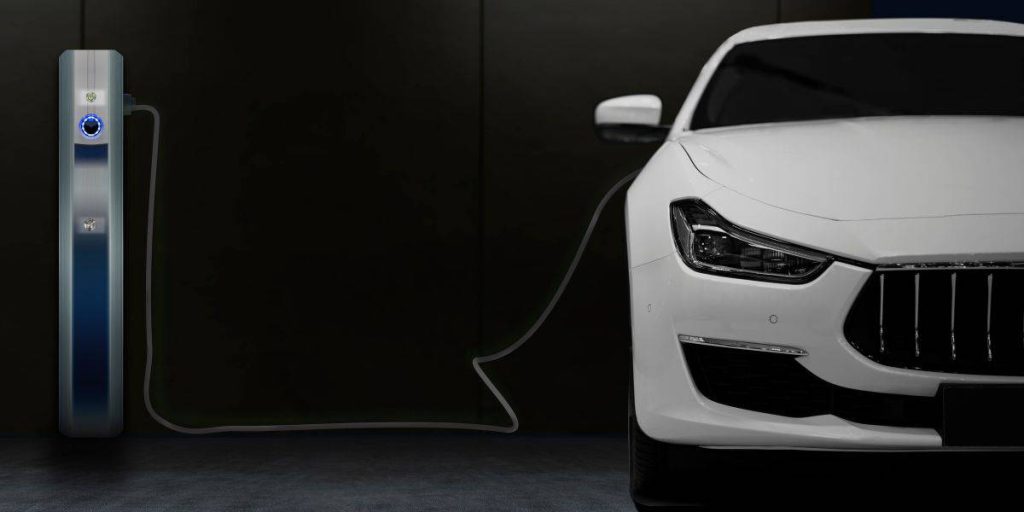
Why Is My Electric Car Charger Charging Slowly?
There are several reasons your electric car may be charging slower than usual. The charging speed depends on three main factors:
- The power output of the charger
- Your car’s maximum charging capability
- Battery conditions during charging
Even if you’re using a high-powered charger, your car may automatically reduce charging speeds to protect the battery or maintain safe operating temperatures.
Understanding these factors can help you determine whether slow charging is normal or a sign of a problem.
Signs Your Electric Car Is Charging Too Slowly
Slow charging doesn’t always mean something is broken. However, you may have a charging issue if you notice:
- Charging times are much longer than usual
- The estimated completion time keeps increasing
- Charging speeds fluctuate significantly
- The charger frequently pauses
- Charging stops and restarts
- Charging power is lower than expected
- Warning messages appear on the dashboard
- The charger feels unusually hot
If one or more of these symptoms occur consistently, further investigation is worthwhile.
Related: Why is my electric car charger tripping? (Why it happens)
Electric Car Charger Charging Slowly: Causes
1. You’re Using a Level 1 Charger
One of the most common reasons an electric car charges slowly is simply using the wrong type of charger.
A Level 1 charger plugs into a standard household outlet and typically provides only 120 volts (or around 230 volts in some countries using standard domestic outlets). While convenient, these chargers deliver relatively low power.
Charging with a Level 1 charger can take:
- 20 to 40 hours for a full charge
- Even longer for large battery packs
If faster charging is important, upgrading to a Level 2 home charger can significantly reduce charging times.
2. Your Battery Is Nearly Full
Electric car batteries do not charge at a constant speed. Most EVs charge quickly from about 10% to 80% battery capacity. After reaching approximately 80%, charging automatically slows to protect battery health and reduce heat buildup.
This is completely normal and helps extend battery life.
If your charger seems slow during the final portion of charging, there’s usually nothing wrong with your car or charger.
3. Cold Weather Is Slowing Charging
Battery temperature has a major impact on charging performance.
In cold weather, the battery’s chemical reactions slow down, making it less efficient at accepting a charge. To protect the battery, the battery management system often limits charging speed until the battery warms up.
Symptoms include:
- Slow charging after parking outside overnight
- Longer estimated charging times
- Delayed charging start
Many newer electric cars automatically precondition the battery before charging to improve performance.
4. Hot Weather Is Limiting Charging Speed
Extreme heat can also reduce charging speed. When the battery becomes too hot, the car’s battery management system reduces charging power to prevent overheating.
You may notice:
- Charging slows after driving long distances
- Charging pauses temporarily
- Battery cooling fans running during charging
This is a normal protective function designed to prevent battery damage.
5. Your Home Electrical Supply Is Limited
Home charging speed depends on the available electrical capacity. If your electrical panel cannot supply enough power, the charger may automatically reduce its output.
Possible causes include:
- Undersized electrical circuits
- Shared electrical loads
- Energy management systems
- Charger power settings
Some smart chargers intentionally reduce charging speed when multiple high-power appliances are operating simultaneously.
Related: Why is my electric car charger not disconnecting? (Here’s why)
6. Your Charger Has a Lower Power Rating
Not all EV chargers deliver the same amount of power.
For example:
- Level 1 chargers: approximately 1–2 kW
- Basic Level 2 chargers: 3.6–7.2 kW
- High-output Level 2 chargers: up to 22 kW (where supported)
- DC fast chargers: 50–350+ kW
Even if your car can accept faster charging, it can only charge as quickly as the charger allows.
Always compare the charger’s output with your car’s maximum charging capacity.
7. Your Car Has Reached Its Maximum Charging Limit
Every electric car has a maximum charging rate. For example, if your car can only accept 7.2 kW from an AC charger, connecting it to an 11 kW or 22 kW charger won’t make it charge any faster.
The limiting factor is the car’s onboard charger rather than the charging station.
Understanding your car’s charging specifications helps set realistic expectations.
8. Charging Cable Problems
A damaged or poor-quality charging cable can interfere with charging performance.
Possible issues include:
- Damaged connectors
- Loose connections
- Internal wiring faults
- Overheating protection
Some chargers automatically reduce charging speed when they detect abnormal cable temperatures or communication problems.
Inspect the cable regularly for wear or visible damage.
9. Battery Management System Restrictions
The Battery Management System (BMS) continuously monitors battery health.
To maximize battery lifespan, it may intentionally reduce charging speed under certain conditions, including:
- High battery temperature
- Low battery temperature
- Aging battery cells
- Cell voltage balancing
- Battery protection mode
Although slower charging can be frustrating, these protective measures help extend the battery’s service life.
Related: Why is my electric car charger blinking red? (Here’s why)
10. Public Charging Station Limitations
Public charging stations don’t always provide their advertised maximum charging speed.
Actual charging speed may be reduced due to:
- Multiple cars sharing power
- Grid limitations
- Station hardware restrictions
- Charger maintenance
- Network communication issues
For example, two cars connected to the same fast charger may share available power, reducing charging speed for both.
Trying another charging station may resolve the issue.
Why Does My Electric Car Charge Fast at First Then Slow Down?
This is one of the most common questions EV owners ask.
Electric cars intentionally reduce charging speed as the battery approaches full capacity.
During the first part of charging, the battery can safely accept high power.
As the battery fills, charging gradually slows to:
- Prevent overheating
- Reduce battery stress
- Balance individual battery cells
- Extend battery lifespan
This charging curve is completely normal and occurs in nearly all modern electric cars.
Why Is My Fast Charger Charging Slowly?
Even DC fast chargers may charge slowly under certain conditions.
Possible reasons include:
- Cold battery
- Hot battery
- High battery state of charge
- Charger power sharing
- Station faults
- Battery protection limits
The charger itself isn’t always the limiting factor—your car often determines the maximum charging speed.
Can an Old Battery Cause Slow Charging?
Yes. As batteries age, their ability to accept high charging rates gradually decreases.
An older battery may experience:
- Longer charging times
- Reduced fast charging performance
- Lower overall charging efficiency
Battery degradation occurs naturally over time and with repeated charging cycles.
Fortunately, modern EV batteries are designed to retain a large percentage of their original capacity for many years.
How to Troubleshoot Slow EV Charging
If your electric car is charging more slowly than expected, try these steps:
- Verify you’re using the correct charger.
- Check the charger’s power rating.
- Inspect the charging cable for damage.
- Make sure the charging connector is fully seated.
- Review charging settings in the car.
- Check for scheduled charging limits.
- Update your car’s software if available.
- Try another charging station.
- Allow the battery to warm or cool naturally.
- Look for dashboard warning messages.
These simple checks often identify the cause of slow charging.
When Should You Contact a Professional?
You should have your charging system inspected if:
- Charging speed suddenly drops without explanation.
- Charging repeatedly stops and restarts.
- The charger overheats.
- Dashboard warning lights appear.
- Charging errors occur frequently.
- The charging cable becomes excessively hot.
- The charging port appears damaged.
Because EV charging systems involve high-voltage components, diagnosis and repairs should always be performed by qualified technicians.
How to Maximize Electric Car Charging Speed
To achieve the fastest possible charging speeds:
- Use a Level 2 home charger whenever possible.
- Use DC fast chargers during long trips.
- Precondition the battery before charging in cold weather if your car supports it.
- Keep charging equipment clean and well maintained.
- Install software updates when available.
- Charge before the battery reaches extremely low levels.
- Avoid repeatedly charging to 100% unless necessary.
- Park in moderate temperatures whenever possible.
These practices can improve charging efficiency while helping preserve battery health.
Key Takeaway
An electric car charger may charge slowly due to normal charging behavior, battery temperature, charger limitations, or your car’s built-in battery protection systems.
While slow charging can sometimes indicate a faulty charger, damaged cable, or electrical issue, it’s often a normal response to factors such as cold weather, a nearly full battery, or your car’s maximum charging capacity.
Understanding how your electric car manages charging can help you avoid unnecessary concern and identify genuine problems when they arise.
If charging suddenly becomes much slower than normal or warning messages appear, have both the charger and your car inspected by a qualified technician to ensure the charging system is operating safely and efficiently.