
Are you tired of the frustration that comes with your car unexpectedly overheating, despite having sufficient coolant?
It’s an issue many drivers face, causing inconvenience and potential damage to your vehicle.
We outline the potential causes behind why your car overheats despite having sufficient coolant and how to address the problem effectively.
Car Overheating With Coolant: Here’s Why
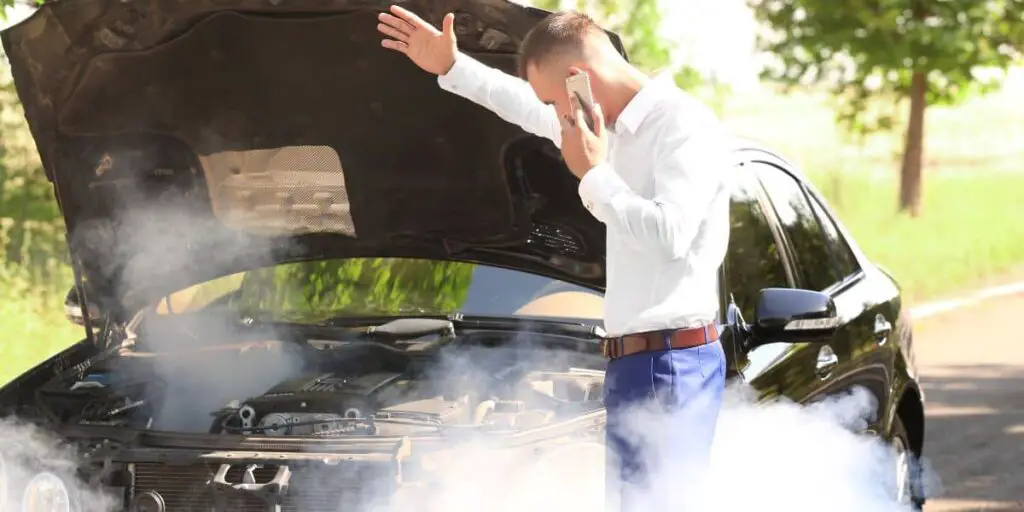
A car can overheat even when the coolant level is sufficient if the cooling system cannot circulate the coolant properly or release heat from the engine. A faulty thermostat may prevent coolant from flowing to the radiator, while a failing water pump can reduce circulation.
A clogged radiator, malfunctioning radiator fan, damaged radiator cap, or internal engine problem, such as a blown head gasket, can also cause overheating despite having enough coolant.
If the temperature gauge rises into the red zone, stop safely, switch off the engine, and allow it to cool completely before checking the system.
How the Cooling System Works
A car’s cooling system regulates engine temperature by circulating coolant through passages in the engine, where it absorbs excess heat.
The hot coolant then flows to the radiator, which releases the heat into the surrounding air. A water pump keeps the coolant moving, while the thermostat regulates its flow according to engine temperature.
The radiator fan helps draw air through the radiator, especially when the car is stationary or moving slowly.
The radiator cap maintains system pressure, allowing the coolant to operate at a higher temperature without boiling easily. When all these components work correctly, the engine stays within its normal operating temperature range.
Why a Full Coolant Level Can Be Misleading
A full coolant reservoir does not necessarily mean the cooling system is functioning properly. The coolant may be unable to circulate because of a faulty water pump, a stuck thermostat, or a blocked radiator.
Air trapped inside the cooling system can also interrupt coolant flow and create hot spots within the engine. In some cars, the reservoir may contain coolant even when the radiator itself is low because of a leak, a faulty radiator cap, or a problem with the coolant return system.
Additionally, a malfunctioning radiator fan may prevent sufficient heat from escaping, particularly in traffic. If the engine continues to overheat despite having enough coolant, the system needs a proper diagnosis rather than simply adding more coolant.
Common Causes of Car Overheating with Coolant
Here’s why a car overheats with coolant:
1. Coolant leaks
Coolant leaks in a vehicle’s cooling system can lead to overheating despite having sufficient coolant.
When there’s a leak, the coolant level drops and this reduction in the coolant volume affects the system’s ability to regulate the engine’s temperature properly.
This is how coolant leaks lead to a car overheating with coolant:
Decreased coolant Levels: Coolant is essential for absorbing and dissipating heat from the engine. When there’s a leak, the coolant level drops.
Reduced coolant volume means there’s less fluid available to absorb and transfer heat, resulting in ineffective cooling.
Inadequate cooling: With a diminished amount of coolant circulating through the engine, it’s unable to extract heat effectively.
This inefficiency leads to the engine operating at higher temperatures than recommended, ultimately causing overheating.
Signs of coolant leaks:
- Visible puddles: Check for puddles or stains of brightly colored fluid (usually green, orange, or pink) beneath your parked car. This indicates a coolant leak.
- Sweet smell: A distinct sweet smell inside or outside the car might indicate a coolant leak.
- Engine overheating: If your car’s temperature gauge spikes into the red zone, it could signal low coolant levels due to a leak.
- White smoke from exhaust: A coolant leak into the combustion chamber can produce white smoke from the exhaust.
- Visible signs of damage: Check hoses, the radiator, water pump, and other components for visible signs of damage, cracks, or corrosion, which might lead to leaks.
Solution:
To diagnose the problem, inspect the cooling system and seek professional help.
Repairs might involve fixing damaged hoses, replacing gaskets, or repairing the radiator to ensure the proper functioning of the cooling system and prevent overheating issues.
Related: Car overheating all of a sudden (Here’s why)
2. Faulty thermostat
A car that overheats with coolant can be caused by a faulty thermostat.
The thermostat plays an important role in regulating the engine’s temperature by controlling the flow of coolant through the engine.
When the thermostat malfunctions, it can disrupt this process and lead to overheating.
This is how a faulty thermostat leads to a car overheating with coolant:
Stuck closed: If the thermostat remains closed, it blocks the flow of coolant from the engine to the radiator.
As a result, the coolant won’t circulate to dissipate heat, causing the engine temperature to rise excessively.
Improper regulation: A malfunctioning thermostat may get stuck partially open or closed, leading to inconsistent coolant flow.
This inconsistency can result in erratic temperature fluctuations, sometimes causing overheating.
Signs of a faulty thermostat:
- High engine temperature
- Cold or inconsistent heater
- Rapid temperature fluctuations.
- Coolant Leaks.
- Engine overheating.
- Slow warming up of the engine.
Solution:
Fixing a faulty thermostat involves replacing the thermostat unit.
Seek the expertise of a qualified mechanic to inspect and, if necessary, replace it to prevent further overheating and potential engine damage.
3. Radiator issues
A car that overheats despite having sufficient coolant can also be caused by radiator issues.
The radiator plays an important role in cooling the engine by dissipating heat from the coolant. Any problems with the radiator that hinder its ability to perform this function can lead to overheating.
Here’s how radiator issues lead to a car overheating with coolant:
Clogging: Over time, the radiator can accumulate debris, sediment, or mineral deposits that restrict the flow of coolant through its fins.
This impedes the heat exchange process, reducing the radiator’s efficiency in cooling the coolant.
Damage or Leaks: Physical damage to the radiator, such as cracks or leaks, can cause coolant to escape.
A decrease in the coolant level compromises the radiator’s ability to effectively cool the engine, leading to overheating.
Faulty Radiator Cap: A malfunctioning radiator cap can result in a loss of pressure within the cooling system, which may lead to decreased coolant circulation and subsequent overheating.
Signs of radiator issues:
- Visible coolant leaks are indicated by puddles or stains of coolant beneath the car or around the radiator area.
- Engine overheating.
- Low coolant levels in the coolant reservoir or radiator.
- Visible damage to the radiator including cracks, corrosion, or physical distortion.
- Radiator fins blocked with debris.
- Steam or hissing sounds from the radiator or hissing sounds, when the engine is running, indicate a coolant leak or pressure issue within the radiator.
Solution:
If experiencing overheating problems despite having sufficient coolant, consult a professional mechanic to inspect and repair the radiator to ensure proper functioning and prevent overheating.
Related: Car overheating after replacing radiator (Explained)
4. Water pump problems
A car that overheats with coolant can also be caused by a water pump problem.
The water pump is responsible for circulating coolant through the engine and radiator, facilitating the transfer of heat away from the engine.
When the water pump malfunctions, it can disrupt this critical process and lead to overheating.
This is how water pump problems lead to a car overheating with coolant:
Insufficient coolant circulation: The primary function of the water pump is to circulate coolant throughout the engine and cooling system.
If the water pump fails, coolant circulation diminishes or stops altogether. This results in inadequate heat transfer from the engine to the coolant, leading to overheating.
Leaking water pump: A leaking water pump, often due to a damaged seal or bearing, can result in coolant loss. Reduced coolant levels prevent proper cooling, leading to overheating.
Signs of water pump problems:
- Consistent or frequent overheating of the engine.
- Coolant leaks.
- Sudden or unexplained drops in coolant levels without visible leaks elsewhere could indicate a water pump leak.
- Grinding, whining, or squeaking noises from the water pump area.
- Visible damage of the water pump such as leaks, corrosion, or rust.
- Overheating at low speeds. If the engine tends to overheat more when the car is idling or moving at low speeds.
Solution:
Seek the assistance of a professional mechanic to inspect and, if necessary, replace the water pump to ensure proper coolant circulation.
Regular maintenance, including checking for leaks and inspecting the water pump during routine servicing, can help detect problems early.
5. Cooling fan failure
The cooling fan is an important component of a vehicle’s cooling system, responsible for maintaining optimal engine temperature by dissipating heat from the radiator.
When the cooling fan fails to operate correctly, it can lead to overheating despite having sufficient coolant.
This is how cooling fan failure leads to a car overheating with coolant:
Inadequate airflow: The primary function of the cooling fan is to draw air through the radiator to cool the coolant.
If the fan fails, there’s a lack of airflow, reducing the radiator’s ability to dissipate heat effectively. This results in inefficient cooling, leading to overheating.
Idle or low-speed overheating: At idle or low speeds, there’s less airflow through the radiator without the assistance of the fan. If the fan isn’t working properly during these conditions, overheating is more likely to occur.
Signs of cooling fan failure:
- Constant engine overheating.
- A noisy or inoperative fan that produces unusual noises (grinding, squealing, or whining).
- Visible damage of the fan such as broken blades, cracks, or signs of wear that hinders its operation.
- Rapid or irregular fluctuations in engine temperature, particularly when the car is stationary or at low speeds.
- Some vehicles use the cooling fan in conjunction with the air conditioning system. If the AC performs poorly or inconsistently, it might be due to a faulty cooling fan affecting the system.
- Some modern vehicles have dashboard warning lights that illuminate when there’s a cooling system malfunction, indicating potential cooling fan issues.
Solution:
A qualified mechanic needs to inspect the fan motor, relays, fuses, and associated components to ensure proper functioning and prevent overheating.
- Check the oil dipstick and cap for a milky look.
Step-by-Step Diagnosis
Follow these steps to identify possible reasons your car is overheating despite having enough coolant. Never open the radiator cap or touch cooling-system components while the engine is hot.
If the temperature gauge enters the red zone, switch off the engine and allow it to cool completely before inspecting it.
1. Check the coolant color and condition. When the engine is cold, inspect the coolant in the reservoir. Rusty, oily, unusually dark, or sludgy coolant may indicate corrosion, contamination, or an internal engine problem that needs further investigation.
2. Inspect the radiator hoses. Check the upper and lower hoses for cracks, swelling, kinks, or collapse. Differences in hose temperature can sometimes help identify a coolant-flow problem, but one hot hose and one cooler hose do not automatically confirm a faulty thermostat. Avoid squeezing hot hoses.
3. Check the cooling fan. Observe whether the radiator fan operates when the engine reaches its normal operating temperature, following the manufacturer’s instructions. If it fails to operate when needed, a faulty fan motor, relay, sensor, or wiring may be responsible. Keep your hands clear because the fan can start unexpectedly.
4. Look for coolant leaks. Inspect beneath the car and around the radiator, hoses, connections, and water pump for wet patches or dried, crusty residue. A small leak can gradually lower coolant levels and eventually cause overheating.
5. Inspect the radiator cap. With the engine completely cold, check the cap’s seal for cracks, deterioration, or other visible damage. A cap that cannot maintain the correct pressure may allow coolant to escape or boil prematurely. A pressure test can confirm whether replacement is necessary.
6. Check for bubbles in the coolant. Persistent bubbles in the reservoir while the engine runs may indicate combustion gases entering the cooling system, potentially because of a blown head gasket. However, trapped air and other faults can also cause bubbling. Do not remove the cap to check this while the engine is hot.
7. Inspect the engine oil. With the engine off and cool, check the dipstick and underside of the oil filler cap for a milky or creamy appearance. This can indicate coolant contamination, although condensation can also create deposits under the cap. If the oil is milky or the oil level has risen unexpectedly, arrange a professional inspection before driving.
If these checks do not reveal the cause, a mechanic can perform cooling-system pressure testing, thermostat and water-pump checks, and a combustion-gas test to identify the fault accurately.
DIY Fixes vs. Professional Repair
DIY-friendly repairs:
If your car is overheating despite having enough coolant, you can start with a few basic checks. Bleeding air from the cooling system may resolve overheating caused by trapped air, provided you follow the manufacturer’s procedure.
You can replace a damaged radiator cap with the correct specification, remove debris from the radiator’s front surface, and correct an unsuitable coolant mixture.
Checking the relevant fuses and relays may also help identify a cooling fan problem. Always work with a completely cool engine and never open a hot cooling system.
When to call a mechanic:
A stuck thermostat, failing water pump, internally clogged radiator, or blown head gasket may require specialized tools and repair skills.
A mechanic can determine whether the radiator needs flushing or replacement and identify internal leaks or circulation problems.
Repeated overheating, unexplained coolant loss, or milky engine oil warrants prompt professional diagnosis to prevent serious engine damage.
Ask for a cooling-system pressure test. This test uses a pressure tester to pressurize the cooling system while the engine is cold, helping identify leaks in hoses, the radiator, the water pump, or other components.
The radiator cap can also be tested separately to determine whether it maintains the specified pressure.
Ask for a combustion-gas test if a head gasket problem is suspected. This test checks for exhaust gases in the coolant, which can indicate that combustion gases are entering the cooling system through a damaged head gasket or another internal engine fault.
The results help the mechanic decide whether further testing is needed before recommending repairs.
Car Overheating With Coolant: Risks of Ignoring It
Ignoring a car that overheats despite having enough coolant can lead to serious engine damage. Excessive heat can warp the cylinder head, damage engine seals, and cause the head gasket to fail.
If overheating continues, the engine oil may lose its ability to lubricate moving parts effectively, increasing friction and accelerating wear. In severe cases, the engine can seize, requiring an expensive rebuild or complete replacement.
Continued overheating can also cause coolant to boil, escape through the cooling system, and leave the engine without adequate protection.
If the temperature gauge enters the red zone, stop safely and switch off the engine rather than continuing to drive. Have the cooling system inspected before using the car again.
Car Overheating With Coolant: Prevention
Preventing your car from overheating requires regular cooling-system maintenance, even when the coolant level appears normal.
- Use the recommended coolant mixture: Follow the manufacturer’s specifications for coolant type and concentration. A 50/50 mixture of antifreeze and distilled water is common, but some vehicles require a different ratio or premixed coolant.
- Flush the cooling system on schedule: Replace the coolant at the intervals specified in your owner’s manual. This helps prevent corrosion, scale buildup, and sludge that can restrict coolant circulation and reduce heat transfer.
- Bleed the system after coolant work: Air trapped in the cooling system after a coolant change, repair, or top-up can interrupt circulation and create hot spots. Follow the manufacturer’s bleeding procedure to remove trapped air properly.
- Inspect and replace worn components: Check radiator hoses, clamps, and the radiator cap for deterioration or leaks. Replace the thermostat, cap, or hoses when testing, wear, or the manufacturer’s maintenance schedule indicates that replacement is necessary, rather than replacing every component unnecessarily.
- Monitor the temperature gauge: Check the dashboard temperature gauge while driving, especially in heavy traffic or hot weather. A rising temperature can signal a failing fan, thermostat, water pump, or another cooling-system problem even when the coolant reservoir is full.
Regular servicing and early attention to temperature changes can help prevent unexpected breakdowns and expensive engine repairs.
Frequently Asked Questions
Why does my car overheat when the coolant is full?
Your car can overheat with a full coolant reservoir if the coolant cannot circulate properly or release heat efficiently.
Common causes include a stuck thermostat, failing water pump, clogged radiator, faulty cooling fan, trapped air, or a damaged radiator cap.
A blown head gasket can also disrupt the cooling system. Have the system inspected if the temperature continues to rise despite having enough coolant.
Can the wrong coolant cause overheating?
Yes. The wrong coolant type or mixture can reduce heat-transfer efficiency, increase corrosion, or cause deposits to form inside the cooling system.
Too much water can also reduce boiling protection. Always use the coolant type and concentration recommended by your vehicle manufacturer.
Can air in the cooling system cause overheating?
Yes. Air pockets can interrupt coolant circulation and create hot spots inside the engine, causing the temperature to rise even when the coolant level appears normal.
Air commonly enters the system after coolant replacement, repairs, or a leak. Properly bleeding the system according to the manufacturer’s procedure can resolve the problem.
Is it safe to drive if the car overheats only sometimes?
No. Intermittent overheating can indicate a faulty thermostat, a cooling fan that operates inconsistently, a coolant leak, or a failing water pump. Even occasional overheating can damage the engine if ignored.
Stop safely and switch off the engine whenever the temperature rises into the red zone or a warning light indicates overheating. Have the cause diagnosed before continuing to drive the car.
Key Takeaway
A car overheating with coolant in the reservoir usually indicates that the cooling system is not circulating coolant effectively or removing engine heat properly.
Common causes include a stuck thermostat, failing water pump, clogged radiator, faulty cooling fan, trapped air, or a damaged radiator cap.
Check for visible leaks and other warning signs, but seek professional diagnosis if the problem persists.
Never ignore repeated overheating or continue driving when the temperature gauge reaches the red zone. Prompt repairs can prevent severe engine damage and costly replacements.